


Couldn't load pickup availability
- Summaries
- Videos
- Podcasts
- Glossary

Ch01 - Why We Don’t Agree on the Definition of Emotion
We don’t agree on what emotion is because the two dominant theories explain different parts of the same process but fail to explain it as a whole.

Ch01 - Is It Emotion or Just Physical Arousal?
What feels like attraction or emotion on a first date may be nothing more than physical arousal, until the mind interprets it as meaning.

God Father: Birth of a Corpse? | The Conscious AI Debate
Birth of a Corpse? examines whether Mark Solms and his team have created genuinely conscious AI or merely a computational system that models the functions of affect and feeling without establishing phenomenological experience.

Birth of a Corpse? | The Conscious AI Debate PT I
Birth of a Corpse? examines whether Mark Solms and his team have created genuinely conscious AI or merely a computational system that models the functions of affect and feeling without establishing phenomenological experience.

Birth of a Corpse? | The Conscious AI Debate Part II
Birth of a Corpse? examines whether Mark Solms and his team have created genuinely conscious AI or merely a computational system that models the functions of affect and feeling without establishing phenomenological experience.

The Problem of Feeling and Emotion
What is an emotion? In this episode of Analyze This, Dr. Zoe Campbell directs two AI pundits through Part I: The Problem of Feeling and Emotion — testing pleasure as a case study and landing on three rules for any theory of emotion.
- Play Now
-

-

-
19:28

- Browse Now...
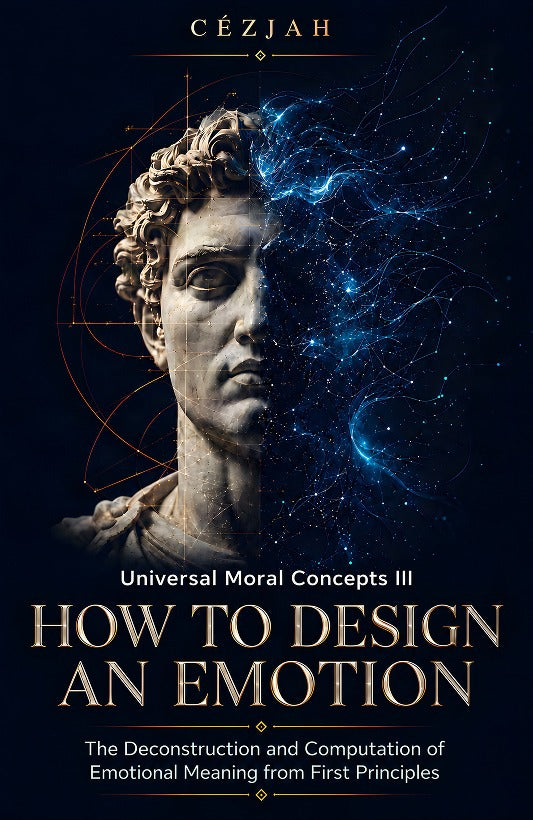
Thank You for Your Interest!
You’ve successfully signed up to be notified when the next release of Part I · The Problem of Feeling and Emotion is available. We’re thrilled to share this journey with you and will keep you updated with the latest release information.
Stay Connected
Make sure you don’t miss any updates! Subscribe to our newsletter for exclusive release news, insights from the author, and special content directly to your inbox.
We can’t wait to share the official release of Part I · The Problem of Feeling and Emotion with you. Happy reading!